
Gangnam, Seoul · Mon–Fri 9:00–17:00
+82 2 543 0089
Twenty-eight Clinical Pathways
Sleep disorders rarely arrive alone. Our clinics are organized so that one team can follow you across diagnostic boundaries — without your needing to start over.
Evaluation and treatment of snoring and obstructive sleep apnea, anchored in in-lab polysomnography and tailored multi-modal treatment.
View pathway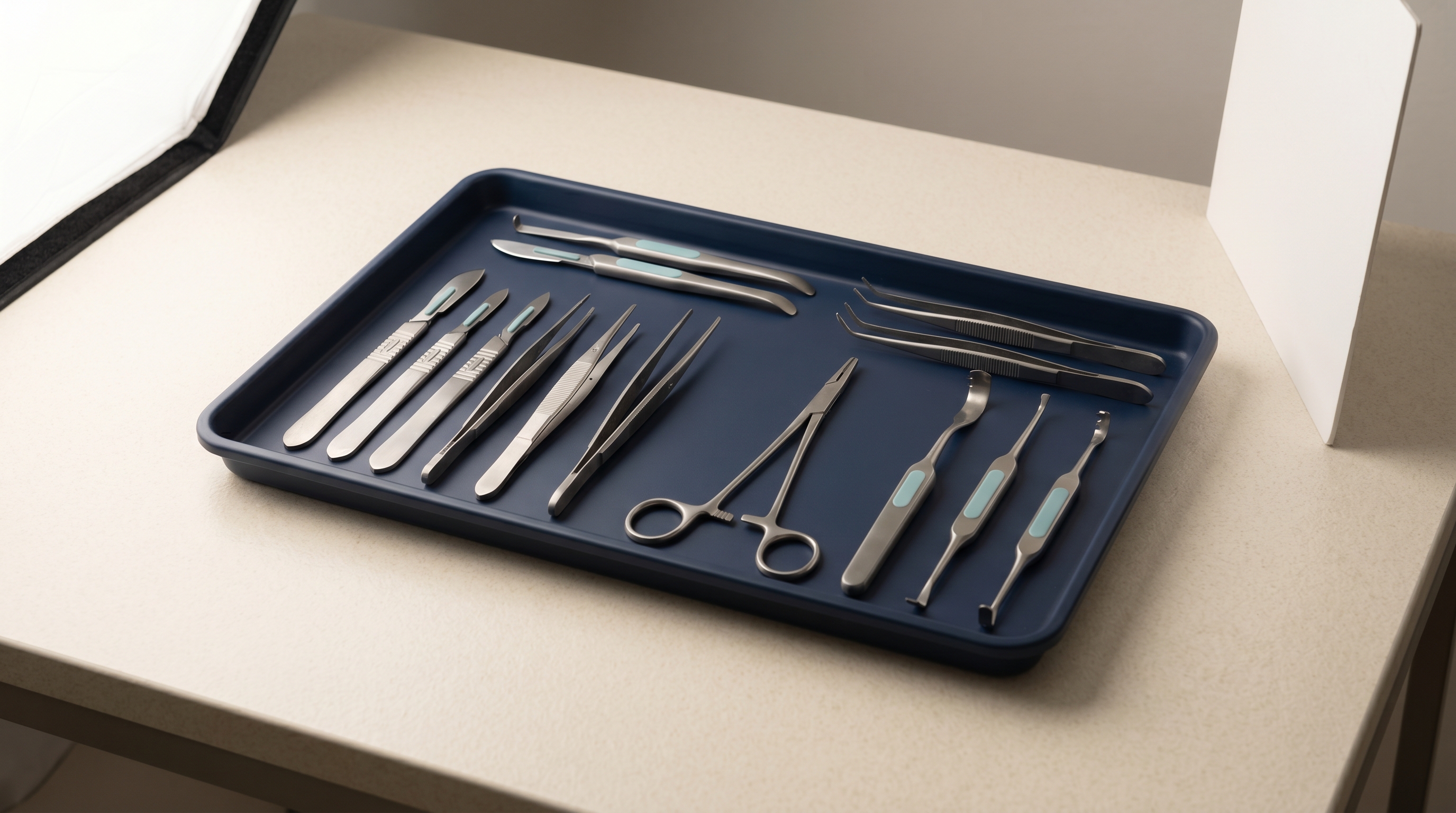
Indications, options, and outcomes for anatomic surgical interventions — coordinated with our ENT and plastic surgery specialists.
View pathway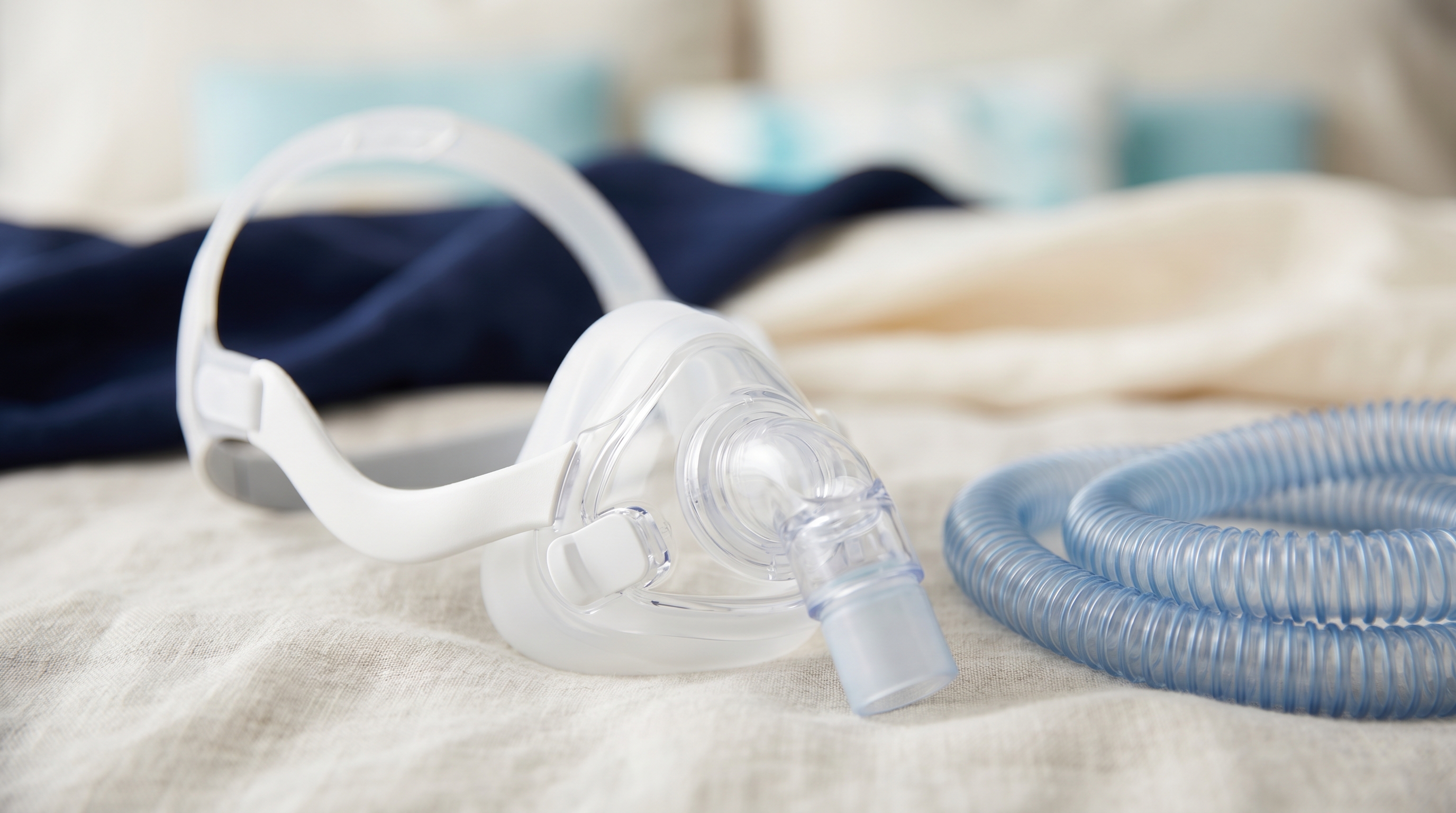
In-lab titration, mask fitting, adherence coaching, and quarterly review — the evidence-supported long-term therapy.
View pathway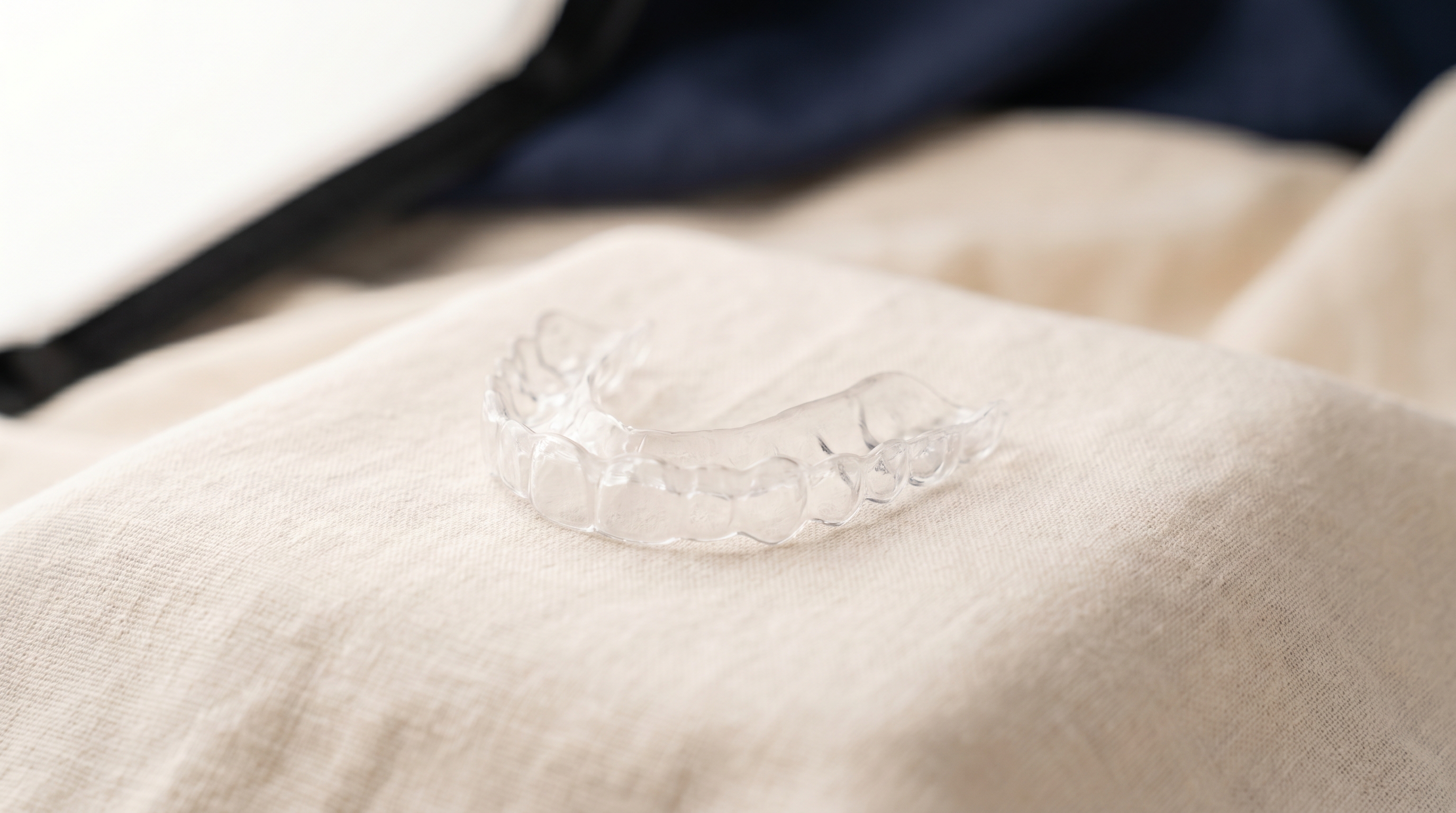
Custom mandibular advancement device for mild to moderate cases or for patients who cannot tolerate CPAP.
View pathway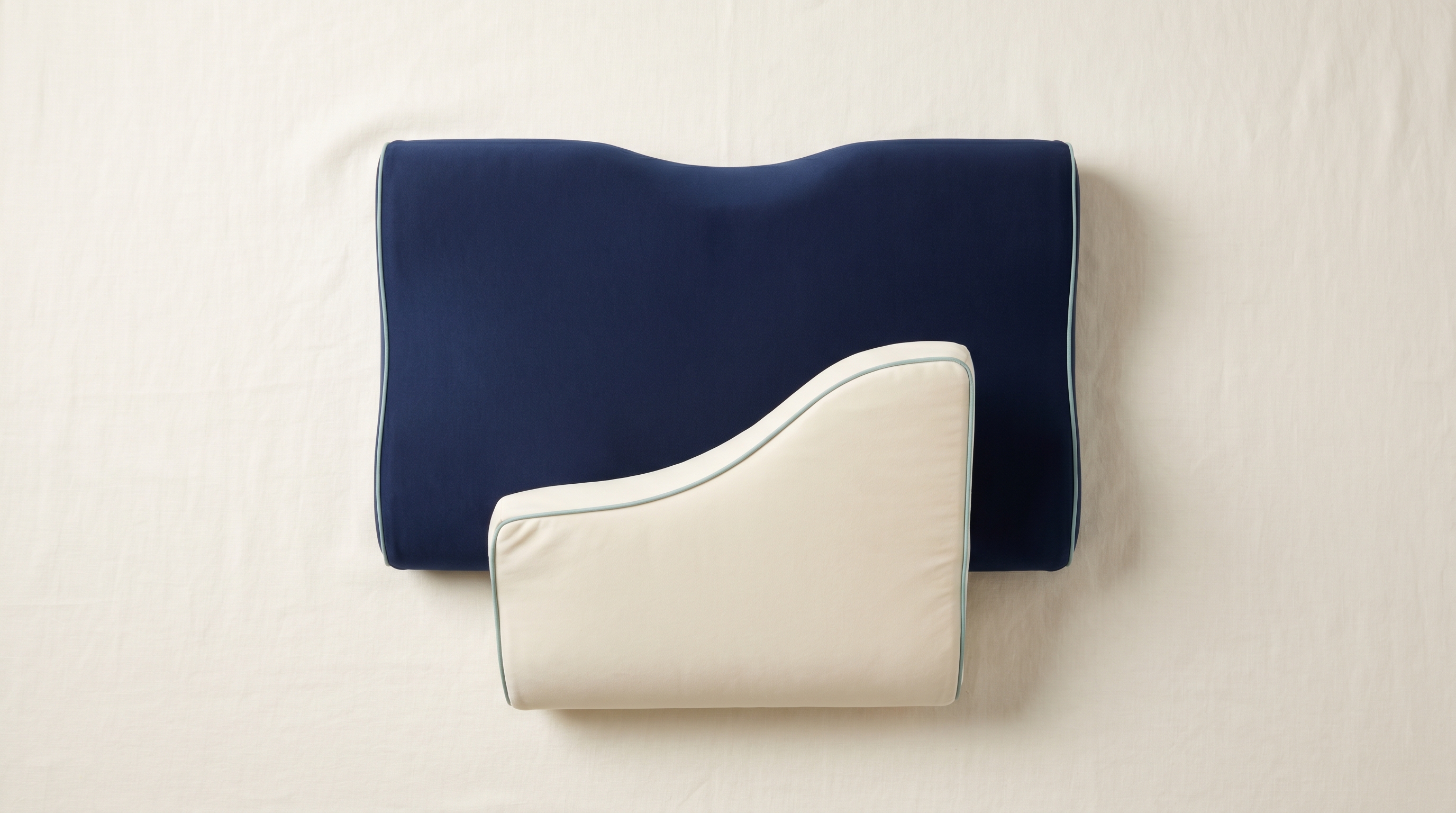
For supine-dominant snoring, positional training and devices can significantly reduce events without machine therapy.
View pathway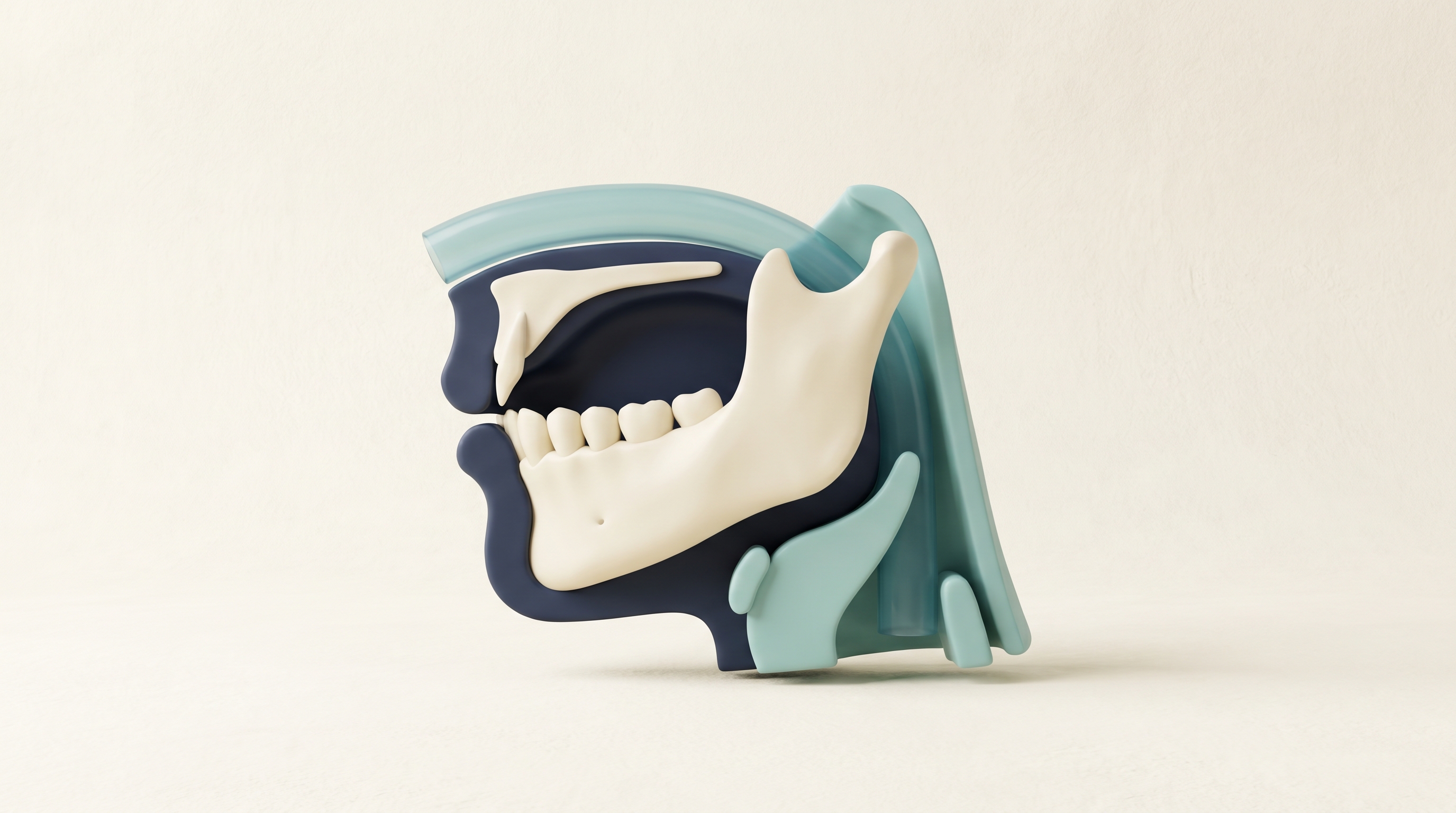
For severe skeletal cases or recurrence after prior surgery — we re-stage from the polysomnogram and consider second-line options.
View pathway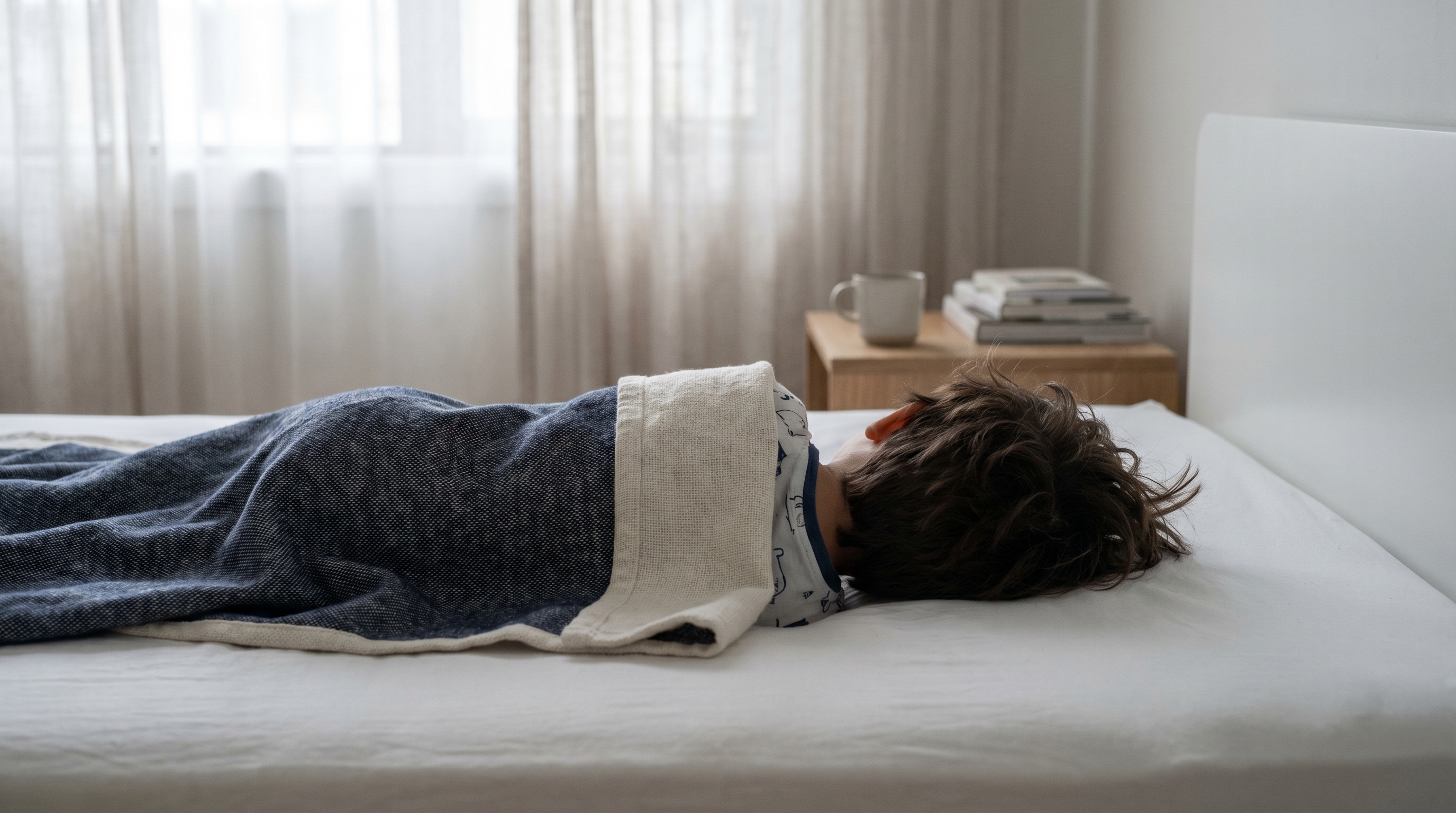
Why pediatric sleep is its own discipline — and how our pathway differs from adult sleep medicine.
View pathway
Childhood snoring is not a habit — it shapes facial growth, attention, and behavior. Diagnosis and treatment for children.
View pathway
Growth hormone is released during deep sleep. Sleep-related growth concerns deserve a sleep-medicine workup.
View pathway
A practical screening guide for parents — what to watch for, and when to ask a sleep specialist.
View pathway
Attention, memory consolidation, and academic outcomes — sleep is not an afterthought in school-age children.
View pathway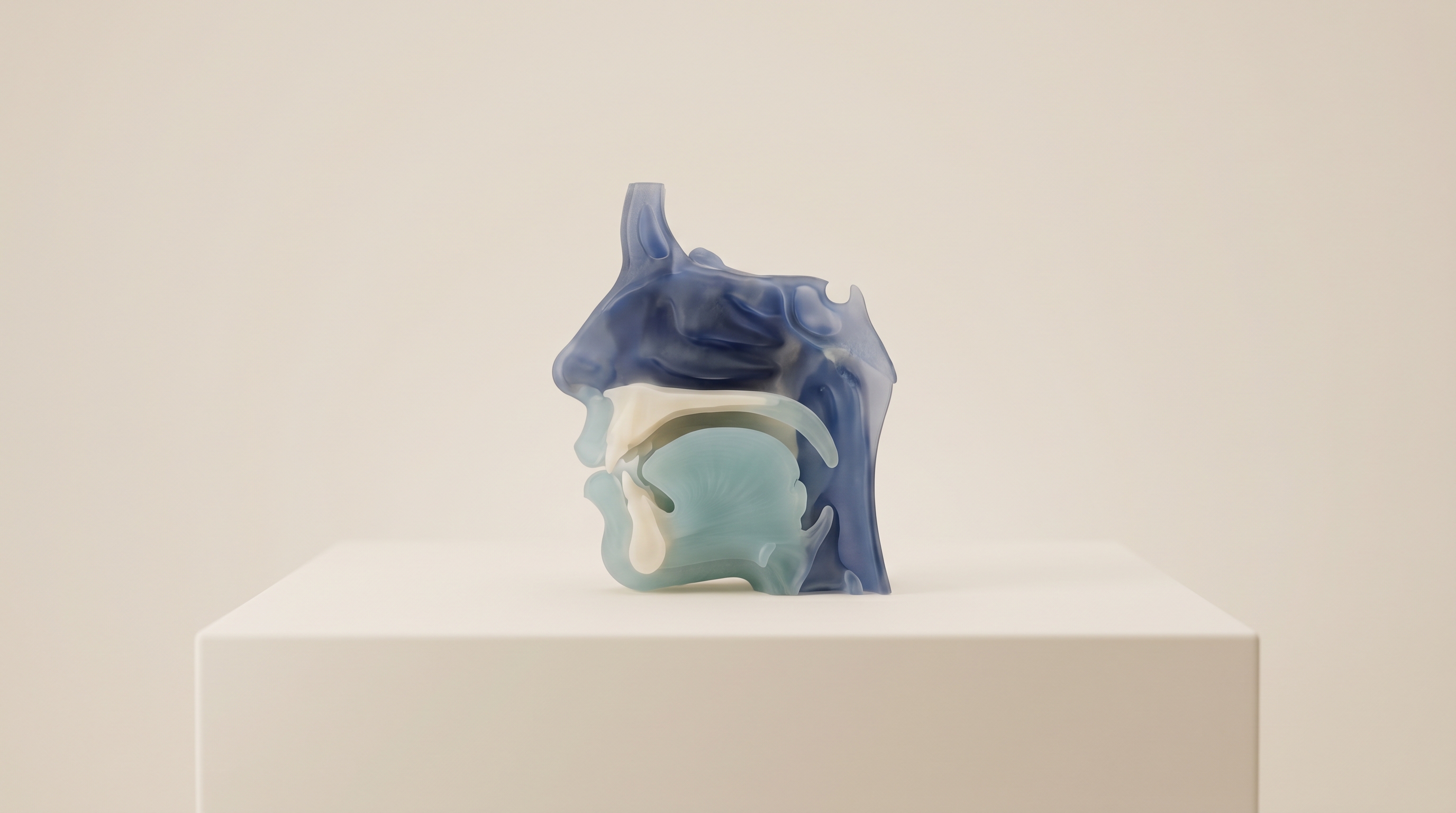
Mouth-breathing and chronic snoring during growth years alter facial bone and dentition. Early intervention matters.
View pathway
Sensor placement, room setup, parent presence, and overnight protocol — designed for children, not adapted from adults.
View pathway
Persistent leg discomfort during rest, often responsive to identification of underlying iron and dopamine status.
View pathway
Unexplained headache and dizziness are frequently downstream of fragmented sleep — and resolve when sleep does.
View pathway
Excessive daytime sleepiness with sudden sleep attacks. Diagnosis requires polysomnography plus MSLT.
View pathway
Bruxism is a sleep disorder, not just a dental condition. We treat the underlying sleep architecture.
View pathway
Cognitive Behavioral Therapy for Insomnia is first-line. Pharmacology is reserved for short-term and refractory cases.
View pathway
Sleep changes across pregnancy stages and postpartum. Safe, non-pharmacologic-first management.
View pathway
Artificial sunlight for shift-work disorder, jet lag, seasonal mood-sleep disruption, and circadian misalignment.
View pathway
Untreated sleep apnea independently raises stroke risk. We evaluate sleep before and after cerebrovascular events.
View pathway
Hypertension, atrial fibrillation, and heart failure all interact with sleep-disordered breathing.
View pathway
Sleep talking and acting out dreams in older adults can be an early marker for neurodegenerative disease.
View pathway
Comprehensive same-day workup combining sleep evaluation with broader health screening for executives and adults at risk.
View pathway
Less common conditions — REM-sleep paralysis, hypnagogic phenomena, nightmare disorder, and more.
View pathway
How we decide whether a patient needs polysomnography, CBT-I, CPAP, or a different pathway.
Read article
Two often-confused drug classes — what each does, when each is appropriate, and where over-the-counter products fit.
Read article
Persistent insomnia is an independent risk factor for suicidality. A serious topic, written for general readers.
Read article