
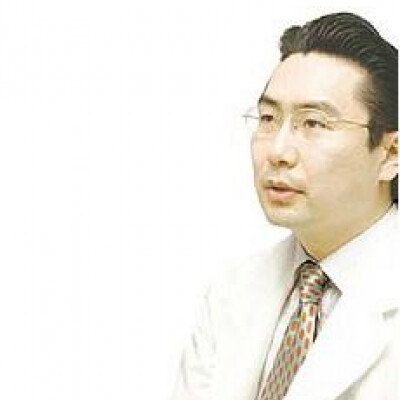
A message from Dr. Han Jin-Kyu
When I opened this clinic in 1999, sleep medicine was barely a recognized subspecialty in Korea. A patient with severe insomnia might see six physicians before anyone proposed measuring a single night of their sleep.
Twenty-five years later, the field has matured — sleep apnea is a household term, CPAP devices fit in a carry-on bag, and cognitive behavioral therapy for insomnia is a first-line treatment in most clinical guidelines. What has not changed, at our clinic, is the first principle.
Measure first. Treat what the data show. Do not chase symptoms.
What I tell every new patient
A sleep complaint is rarely a single problem. The insomnia someone walks in with may be downstream of obstructive sleep apnea. The chronic headache may be fragmented sleep. The child's behavioral problems at school may be enlarged tonsils. We will not know until we measure.
That is why our standard remains the supervised in-lab polysomnogram. Home tests are useful for screening. They are not enough for a long-term treatment plan.
What I have learned
The most important variable in long-term sleep care is not the device, the medication, or even the diagnosis. It is the follow-up. Patients who return for three-month and twelve-month reviews live with their condition. Patients who disappear after the first study often return five years later, worse.
A sleep diagnosis is not a one-night event. It is the beginning of a long arc of follow-up. — Dr. Han Jin-Kyu
If you are considering a visit
Send a short message through our consultation form, or call our main line. Our coordinators will take the time to understand what you are experiencing — and we will recommend a sleep study only if the clinical picture warrants it. If a study is not the right next step, we will say so.
Thank you for considering us.
— Han Jin-Kyu, MD
Director, Seoul Sleep Center · Fellow, American Academy of Sleep Medicine